Manual Handling for Nurses: Reducing Workplace Injury Risks
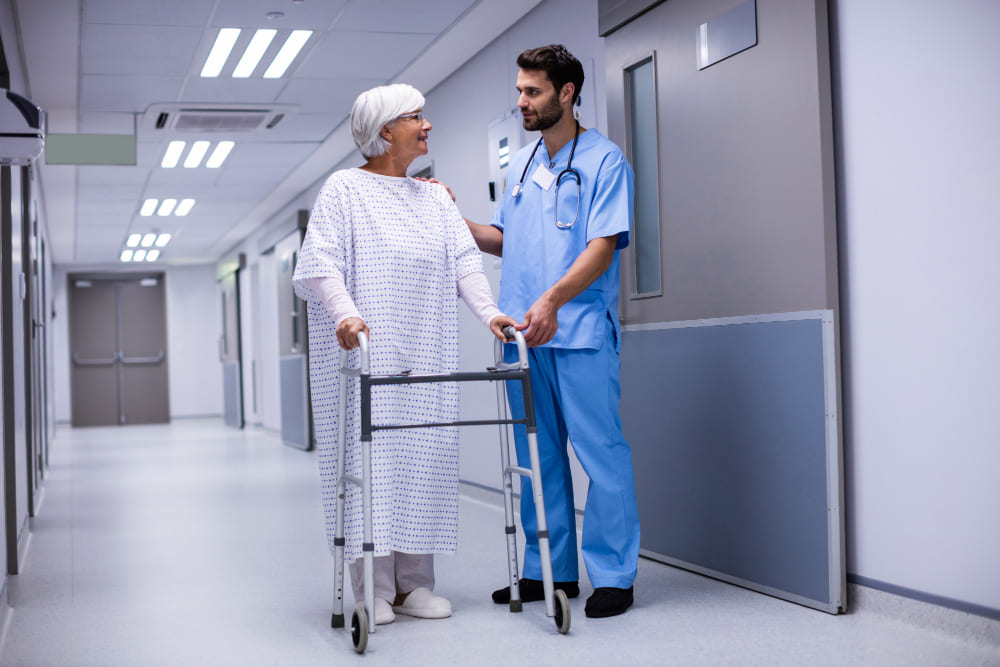
Healthcare professionals regularly move, reposition, transfer and support patients as part of their everyday responsibilities. Manual handling for nurses is therefore an important area of workplace safety because repeated physical tasks can place considerable strain on the back, shoulders, joints and muscles. Understanding how to assess risks, use appropriate equipment and apply safer movement practices can help reduce avoidable injuries while also supporting safer patient care.
Manual Handling in Nursing
- Manual handling involves activities like lifting, lowering, pushing, pulling, carrying, moving, or supporting a person or object.
- In nursing settings, these activities take place as part of regular care, like helping a patient shift from a bed to a chair, adjusting a person's position in bed, or supporting their movement.
- Unlike handling ordinary objects, moving a patient can involve unpredictable movement.
- A patient may have limited mobility, pain, weakness, confusion or difficulty following instructions.
- Their weight may also be unevenly distributed, which can make certain transfers more physically demanding.
- Nurses might do these tasks multiple times throughout their work shift.
- If the same movements are done over and over without enough preparation or help, the body can take more stress over time, which makes it more likely to have injuries in the muscles and bones.
Why Manual Handling Injuries Occur
Workplace injuries related to handling can develop for several reasons. Poor posture, awkward reaching, twisting while lifting and attempting to move a person without sufficient assistance can all increase physical strain.
The working environment can also influence risk. Limited space around a bed, unsuitable furniture, wet floors or poorly positioned equipment can make a routine transfer more difficult.
Fatigue is another important consideration. Long shifts and repeated physical tasks may affect concentration and physical coordination, increasing the possibility of using an unsafe movement pattern.
Workplace injury prevention involves identifying these factors before an incident occurs rather than responding only after an injury has happened. A proactive approach allows healthcare organisations and staff to consider safer methods, appropriate equipment and individual patient requirements.
Assessing the Task Before Moving a Patient
One of the most important habits for safer handling is to pause and assess the situation before starting.
The nurse should consider the patient’s mobility, physical condition, level of cooperation and ability to understand instructions. The task itself should also be considered, including where the patient needs to move and whether the transfer requires additional assistance.
The surrounding environment should be checked for obstacles and potential hazards. Beds, chairs and other equipment may need to be positioned appropriately before the movement begins.
It is also important to determine whether the task can be completed safely by one person or whether another trained colleague should assist. Trying to complete a task alone simply because it appears quicker can create unnecessary risk for both the healthcare worker and the patient.
Applying Safe Lifting Techniques
Safe lifting should start with proper preparation instead of depending on how strong you are. When you have to lift or move something, workers should stand steady, hold the object near their body, and not twist their body unnecessarily.
However, nurses should not assume that good body mechanics alone make every patient transfer safe. A patient who requires significant assistance may need mechanical equipment or support from additional staff.
Workers should also avoid sudden movements. Clear communication can help coordinate a transfer so that the patient and staff involved understand when movement will begin.
Whenever possible, equipment should be used to reduce the physical force required from the worker. The appropriate method depends on the patient’s condition, the task and the equipment available in the care environment.
The Importance of Patient Handling
Patient handling involves more than just moving someone from one place to another. It means keeping someone respectful, comfortable, able to talk, and safe during the whole process.
Before a transfer, nurses should explain what is going to happen and provide clear instructions that the patient can understand. This can encourage cooperation and reduce anxiety.
The patient’s individual abilities should also be considered. Someone who can partially support their own weight may require a different approach from someone who has little or no mobility.
Maintaining dignity is equally important. Nurses should ensure that the patient is appropriately covered and that unnecessary exposure is avoided during repositioning or transfers.
Using Equipment Correctly
Handling equipment can significantly reduce the physical demands placed on healthcare workers when it is selected and used appropriately. Depending on the care setting, equipment may include hoists, slide sheets, transfer boards, standing aids and adjustable beds.
Staff should understand the purpose and limitations of the equipment available to them. Using an unfamiliar device without appropriate instruction can introduce additional risks.
Equipment should also be checked before use. Damaged, unsuitable or poorly maintained equipment may compromise both worker and patient safety.
Employers have an important role in ensuring that suitable equipment is accessible and that workers understand how to use it correctly.
Why Manual Handling Training Matters
Manual handling training helps healthcare workers develop a stronger understanding of physical risks associated with moving and supporting patients.
Effective training should go beyond explaining theoretical principles. It should help staff recognise hazards, assess individual situations and understand when assistance or equipment is required.
Training can also reinforce the importance of communication, preparation and reporting concerns. Nurses should feel confident asking for assistance when a task cannot be completed safely.
Refresher learning can be valuable because handling practices may change as equipment, workplace procedures and patient needs evolve.
Preventing Injuries Over the Long Term
Injury prevention is not achieved through a single training session. It requires consistent attention to workplace practices and individual working habits.
Nurses can reduce unnecessary strain by avoiding awkward reaching, adjusting the height of beds when appropriate and positioning equipment before beginning a task. Taking a moment to prepare can make a significant difference during physically demanding activities.
Employers can support safer practices by conducting appropriate risk assessments, maintaining equipment and ensuring adequate staffing for tasks that require additional assistance.
Workers should also report hazards, equipment problems and incidents through the appropriate workplace procedures. Early reporting can help organisations identify recurring risks before they result in more serious injuries.
The Role of Online Learning
An online manual handling course can provide a convenient way for healthcare professionals to review essential principles alongside their work commitments.
Online learning can cover areas such as risk assessment, safer movement principles, patient transfers, equipment awareness and injury prevention. It can also allow learners to revisit important information when they need a refresher.
Online learning should work along with hands-on training in the workplace when real-world skills are needed. Healthcare organisations need to make sure that employees get the right hands-on advice and support that matches their job duties and the ways things are done at work.
Creating a Safer Handling Culture
Reducing injuries from handling patients needs more than just hoping that each nurse will be careful on their own. It depends on making sure everyone feels responsible for keeping things safe.
Managers should support their team members in speaking up about any issues they have and make sure the right tools and help are in place. Teams can also talk about tough transfers and get lessons from incidents or close calls.
A strong safety culture recognises that asking for assistance is not a weakness. In many situations, requesting another trained colleague or using suitable equipment is the safest professional decision.
Conclusion
Manual handling is still a key part of nursing work, but the physical stress it causes doesn't have to lead to injuries at work. Taking care to evaluate, using the right tools, talking clearly, and keeping learning can help doctors and nurses do physical jobs in a safer way.
Care Learning is a platform where you can get free CPD courses and enough information on multiple topics. Its learning resources can help healthcare professionals build knowledge, refresh important skills and continue their professional development. Apply or register today.
FAQs
1. Why is manual handling important for nurses?
It helps nurses learn how to move, transfer, and support patients in a safe way, which lowers the risk of injuries to their muscles and bones.
2. What are some safe ways for nurses to lift things without getting hurt?
Good ways to handle lifting include thinking ahead about how you'll move, staying balanced, holding the weight close to your body, not twisting your body while lifting, and using the right tools or help when needed.
3. How does manual handling training help nurses?
It helps nurses spot possible dangers, check how well a patient can move, learn better ways to move safely, and know when more help or tools are required.
4. What equipment can support safer patient handling?
The tools used can vary based on the job and might include hoists, slide sheets, transfer boards, standing helpers, and beds that can be adjusted.
5. Is an online manual handling course helpful for nurses?
Online learning can help nurses understand how to handle different situations and keep their knowledge up to date, while hands-on training at work is also needed to practice important skills.