What Is the Difference Between HLTAID011 and HLTAID012?

Choosing the right first aid qualification is important when preparing for a role in healthcare, childcare, education, or community services. Understanding HLTAID011 vs HLTAID012 can help you identify which training aligns with your responsibilities and the requirements of your workplace.
What Is HLTAID011?
- HLTAID011, titled Provide First Aid, is a nationally recognised Australian unit of competency that teaches participants how to respond to common medical emergencies and injuries.
- It is suitable for people who need general first aid skills for their workplace or other environments.
- Training usually teaches you how to spot an emergency, check for any dangers right away, call for help, give basic first aid, and keep an eye on someone who is hurt or not feeling well until more help comes.
- Participants also learn how to deal with situations like bleeding, burns, choking, fractures, and other typical injuries.
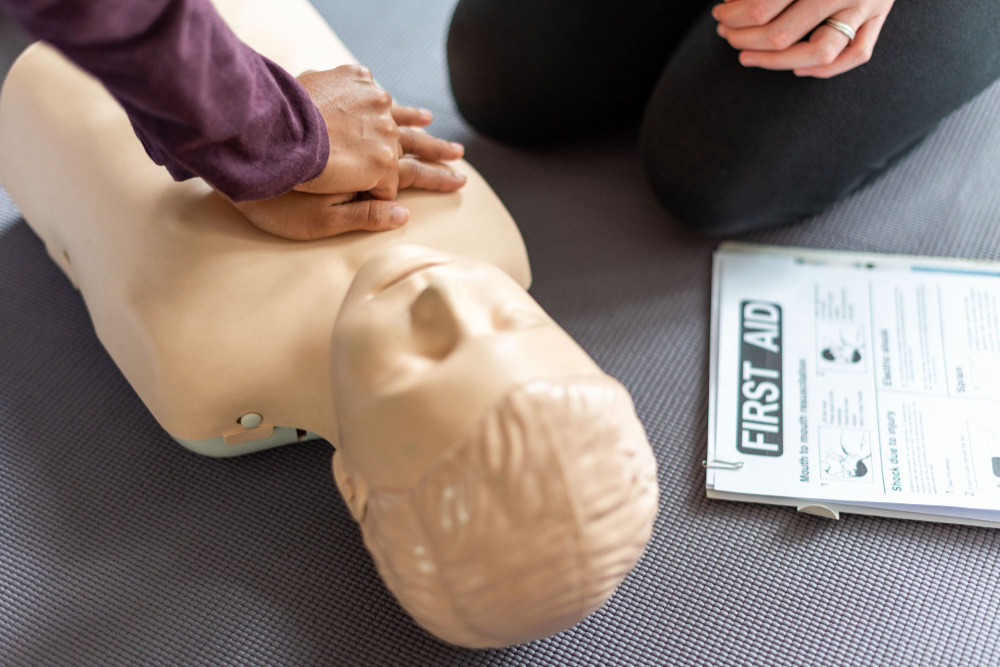
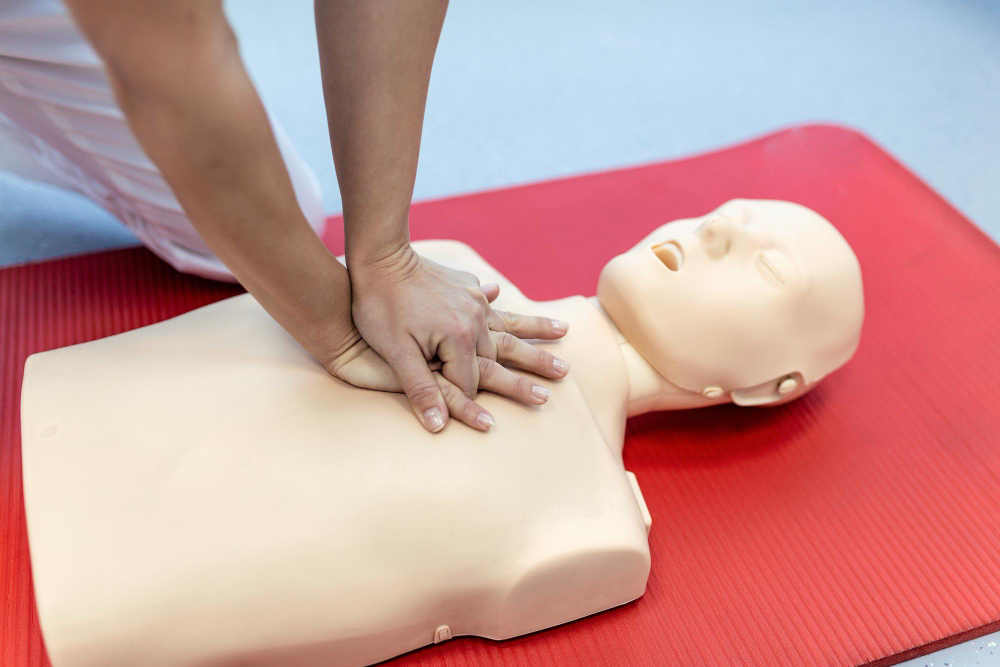
- Cardiopulmonary resuscitation (CPR) and the correct use of an automated external defibrillator (AED) are also key components of first aid skills.
- The HLTAID011 first aid course could be useful for workers in various industries like offices, hotels, construction sites, community centers, and healthcare settings. Employers might ask for more requirements based on the job and the dangers involved.
What Is HLTAID012?
HLTAID012 is titled Provide First Aid in an education and care setting. It is designed for people who need to respond to emergencies involving children and infants within education and care environments.
Alongside core emergency response skills, this unit addresses situations that can arise when caring for young children. These include asthma, anaphylaxis, choking, injuries, and other illnesses or emergencies that require an appropriate first aid response.
The first aid course HLTAID012 is designed for early childhood educators, childcare workers, and staff working in eligible education and care settings. This content teaches people how to react properly by following company rules and the right first aid steps.
The unit also includes teaching how to report incidents and how to talk to parents or caregivers when something happens to a child.
Key Differences Between HLTAID011 and HLTAID012
Although both qualifications develop emergency response skills, their intended applications differ.

Both units are listed on Australia’s National Training Register. The main distinction is the context in which the skills are intended to be applied.
What Does a Childcare First Aid Course Cover?
A childcare first aid course focuses on preparing participants to respond to medical emergencies involving children and infants.
Depending on the unit and how training is delivered, the topics might cover recognising symptoms of sickness or hurt, helping someone who is choking, handling asthma attacks and severe allergic reactions, dealing with small cuts or injuries, and giving CPR following proper guidelines.
Learners also develop an understanding of how to maintain a safe environment, seek emergency assistance, communicate important information, and document incidents appropriately.
These skills are valuable because children may not always be able to explain their symptoms clearly. Recognising warning signs and taking suitable action can therefore be particularly important in childcare settings.
What to Expect From HLTAID012 Practical Training
Practical learning is an important part of demonstrating first aid competency. Participants need opportunities to practise relevant techniques and show that they can apply their knowledge appropriately.
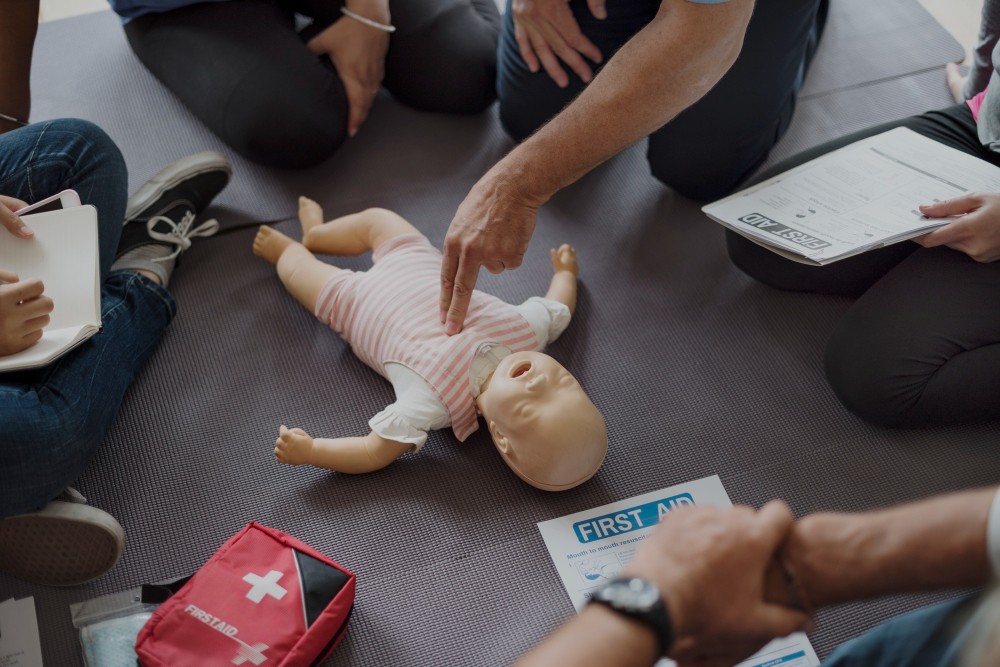
During the HLTAID012 practical training, you might take part in mock emergency situations, practice giving CPR, help with injuries in children or babies, and share information about the incident. The assessment mandates the demonstration of practical first aid abilities in unit-specific scenarios.
Practical assessment allows trainers to check if learners can spot an emergency, pick the right action, and carry out the necessary steps. The specific delivery method, assessment formats, and course duration are determined by the registered training organisation.
Before you sign up, make sure the course has the hands-on activities you need to get your desired qualification.
Which Qualification Should You Choose?
The most suitable option depends on the work you plan to undertake.
If you need general first aid training for a workplace outside a specialised education and care context, HLTAID011 may be appropriate. If you work in early childhood education or another relevant care setting and need child-focused emergency response skills, HLTAID012 may be the better fit.
However, do not rely on the course title alone. Employers, regulators, and individual workplaces may have specific requirements concerning first aid, CPR, asthma, and anaphylaxis training.
For example, education and care services should confirm that the selected qualification meets the applicable requirements for their setting. ACECQA lists HLTAID012 as an approved qualification covering first aid, asthma, and anaphylaxis.
If you are unsure, contact your employer or the relevant regulatory authority before booking a course.
Can You Complete Both Qualifications?
Some experts might find it helpful to have both units, especially if they work in different settings or are looking to have more job opportunities. However, it's not always needed for everyone to do both.
Before taking another course, check how your current job requirements match up with what is needed for the jobs you're interested in. Check with the training provider to see if your previous learning is recognised and if you need to do more practical testing.
Also make sure your qualifications are up to date, and check whether any refreshers or additional requirements apply to your position and workplace.
Conclusion
HLTAID011 and HLTAID012 both develop essential emergency response skills, but they serve different purposes. The former focuses on general first aid, while the latter is specifically designed for education and care settings, including emergencies involving infants and children.
Picking the right training means looking at your job, what you're responsible for, and the qualifications you need to meet. Make sure to check these details before signing up so your training will help you in the job you're aiming for.
If you are looking to build your healthcare knowledge, many courses and informative learning opportunities can support convenient upskilling, while connecting with a healthcare staffing agency can help you explore suitable work opportunities alongside your development. Apply or register today.
Care Learning is a platform where you can get free CPD courses and enough information on multiple topics.
FAQs
1. What is the main difference between HLTAID011 and HLTAID012?
HLTAID011 covers general first aid, while HLTAID012 prepares participants to provide first aid in education and care settings, with additional attention to infants and children.
2. Is HLTAID012 designed for childcare workers?
Yes. It is relevant to early childhood educators and other workers in education and care settings who need to respond to emergencies involving children and infants.
3. Does HLTAID011 include CPR?
Yes. CPR forms part of the first aid competency requirements, including responding to an unconscious person who is not breathing normally.
4. Does HLTAID012 include a practical assessment?
Yes. Learners must demonstrate their ability to perform the required first aid procedures and manage emergency situations in line with the unit’s assessment criteria.
5. How can I find out which first aid qualification my workplace requires?
Check your workplace’s training requirements and consult your employer or the appropriate regulatory body. The qualification you need will depend on your role, responsibilities, and the regulations relevant to your work.