

Nutrition, Children and Rickets
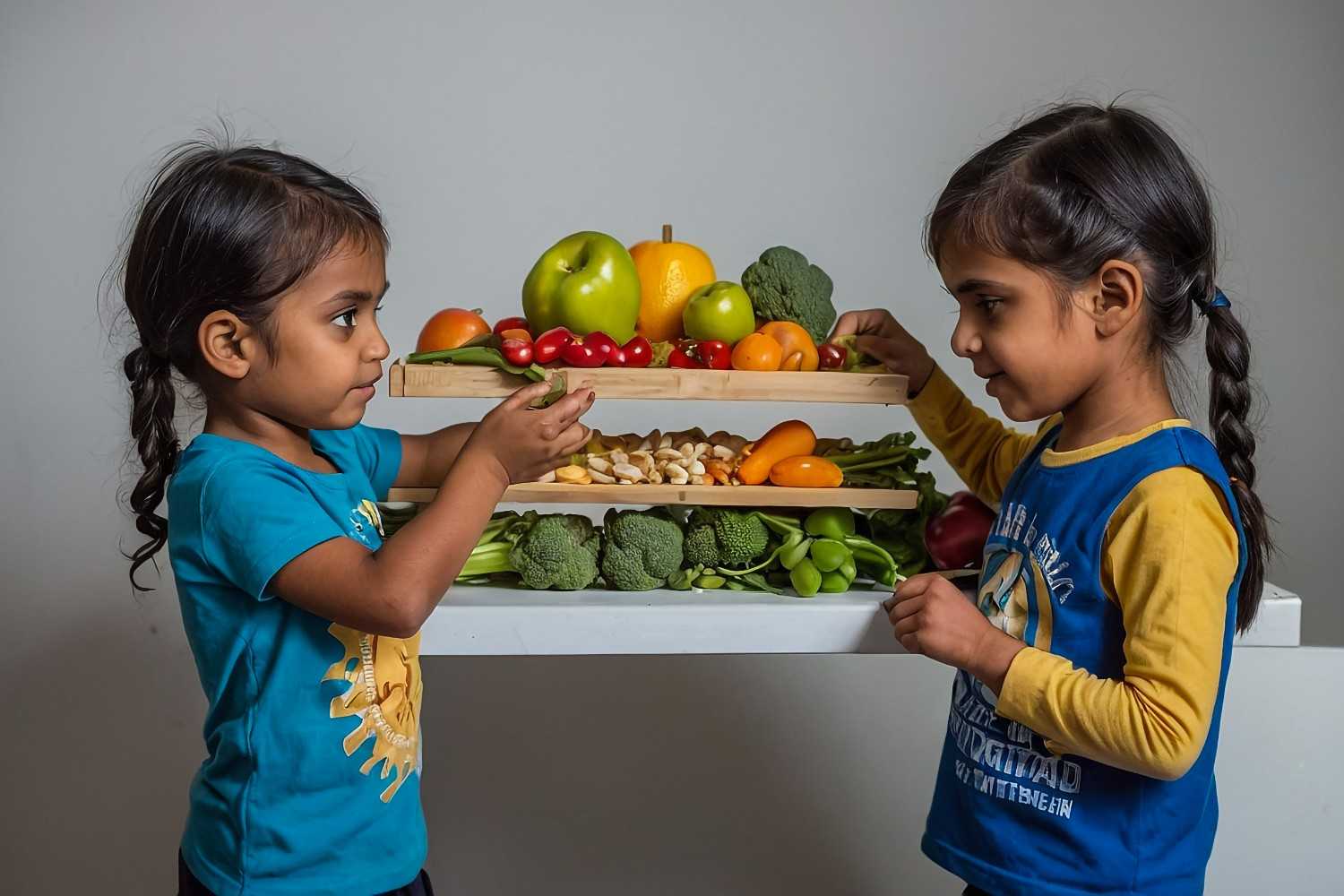
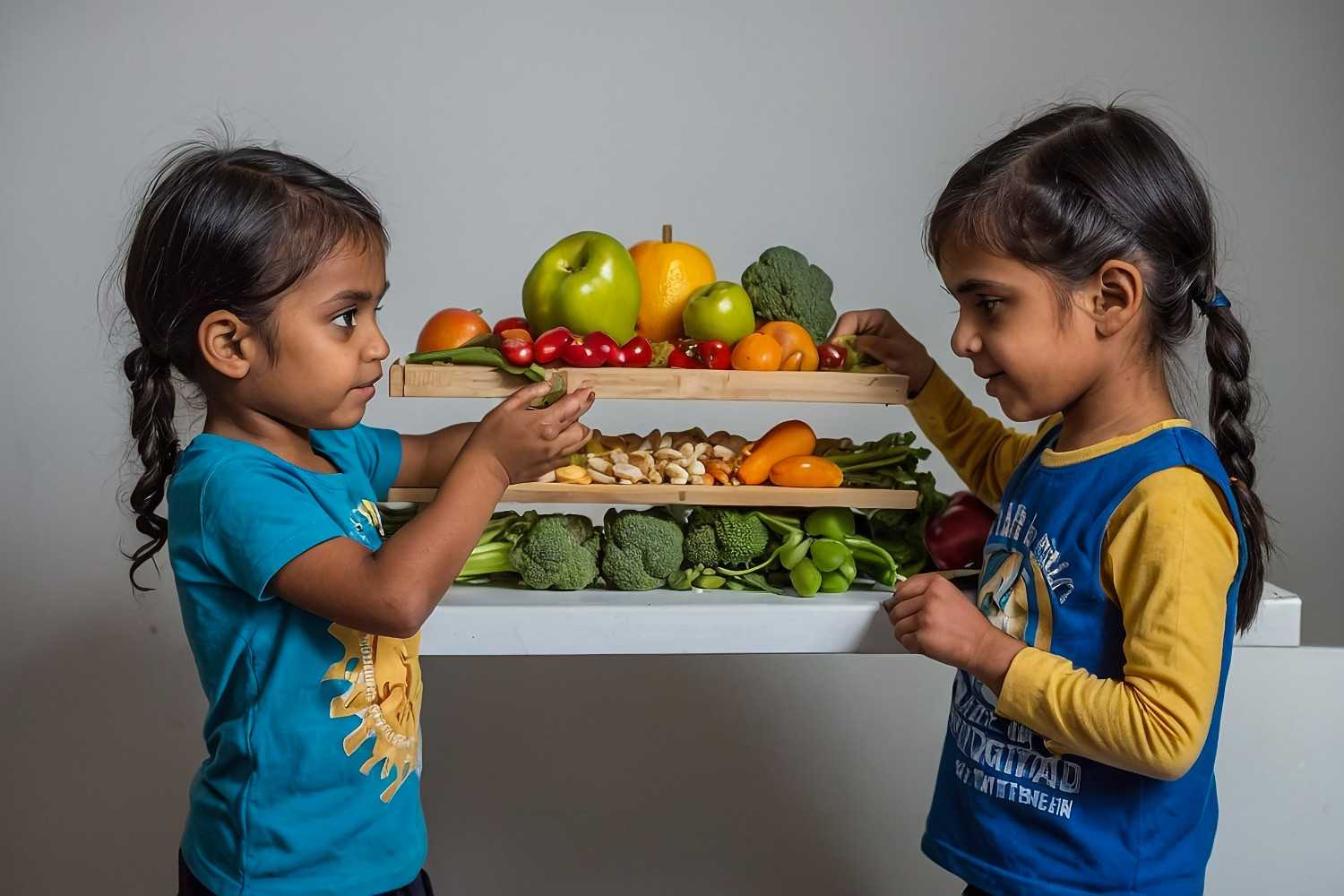
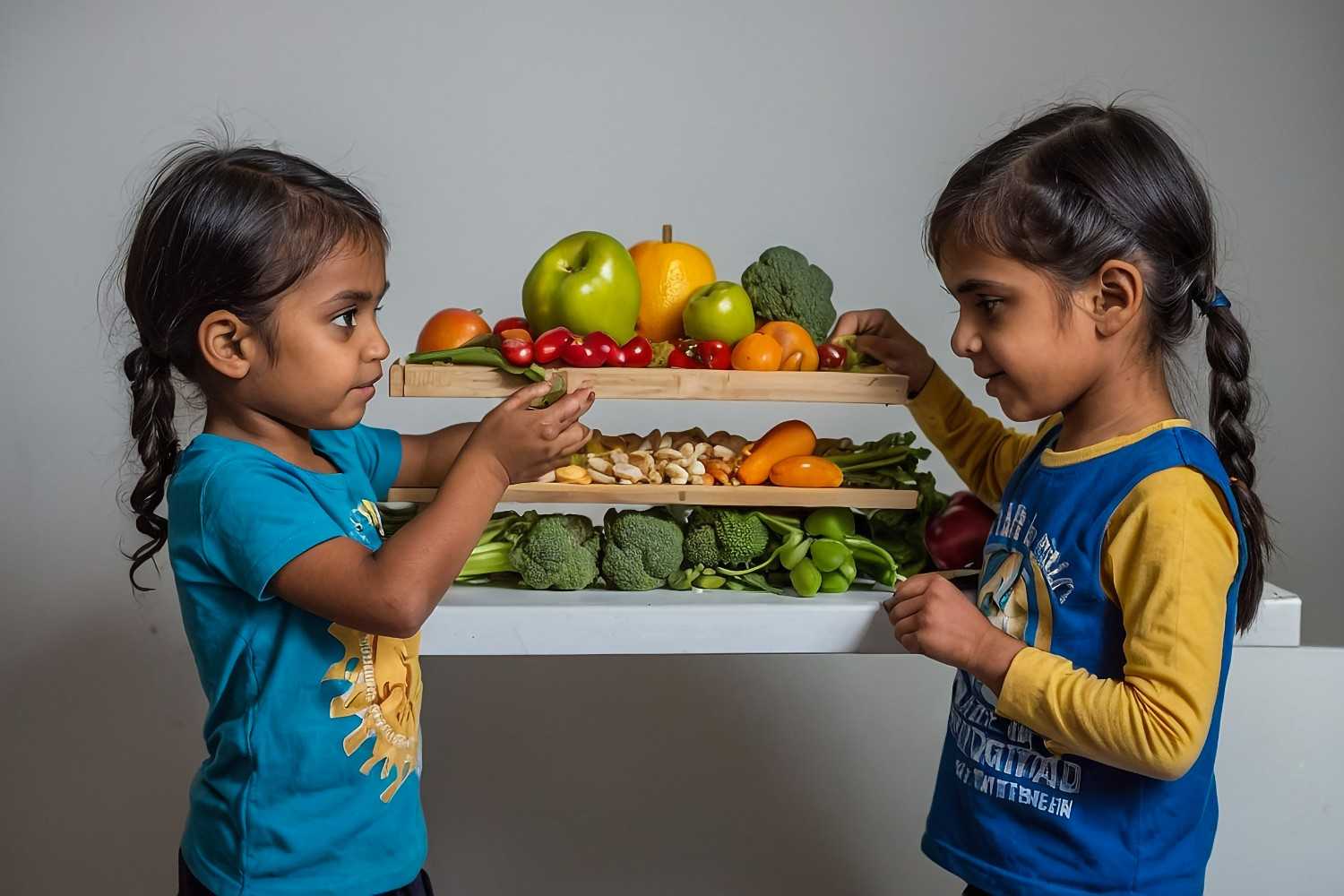
Nutrition, Children and Rickets is a Continuing Professional Development (CPD) course designed for healthcare professionals working in paediatrics, general practice, nursing, pharmacy, nutrition, public health, and community healthcare settings. The course provides an evidence-based overview of vitamin D, calcium metabolism, childhood nutrition, vitamin D deficiency, and the prevention and management of rickets in children. Rickets is a preventable disorder of bone mineralisation that primarily affects infants and children with inadequate vitamin D, calcium, or phosphate levels. Although historically associated with severe malnutrition, rickets continues to occur globally due to dietary insufficiency, limited sunlight exposure, chronic illness, and social determinants of health.

Learning Outcomes
What you'll learn
- Understand the physiological role of vitamin D in the human body.
- Recognise children and adults at increased risk of vitamin D deficiency.
- Identify the signs, symptoms, and consequences of vitamin D deficiency and rickets.
- Understand the role of nutrition and sunlight in maintaining healthy vitamin D levels.
- Optimally use and interpret serum vitamin D testing.
- Determine appropriate vitamin D therapy for deficiency management.
- Develop effective dietary and educational strategies for families and caregivers.
- Apply evidence-based prevention and management approaches using case scenarios.


Learning Outcomes
What you'll learn
- Understand the physiological role of vitamin D in the human body.
- Recognise children and adults at increased risk of vitamin D deficiency.
- Identify the signs, symptoms, and consequences of vitamin D deficiency and rickets.
- Understand the role of nutrition and sunlight in maintaining healthy vitamin D levels.
- Optimally use and interpret serum vitamin D testing.
- Determine appropriate vitamin D therapy for deficiency management.
- Develop effective dietary and educational strategies for families and caregivers.
- Apply evidence-based prevention and management approaches using case scenarios.
Modules
Module 1
Understanding Vitamin D and Bone Health
Module 2
Risk Factors for Vitamin D Deficiency
Module 3
Clinical Features and Consequences of Rickets
Module 4
Serum Vitamin D Testing and Interpretation
Module 5
Vitamin D Therapy and Nutritional Management
Module 6
Case Scenarios, Prevention and Patient Education
Module 7
Summary




Top reviews
No reviews yet.
You May Also Like





.jpg)
Learn Anytime
Anywhere
Experience the next level of learning with the Care Learning app. Available on Android and iOS.


Come and Work
with Us!
Join us as a healthcare trainer providing practical sessions to professionals and workers.
Apply for Trainer RoleIn-Person Practical
Healthcare Training
Enroll in our accredited, hands-on practical training sessions to deliver better patientcentred care.
Apply for TrainingRefer &
Earn Rewards.
Invite healthcare professionals to join Care Learning and earn rewards for every successful referral.
Frequently Asked Questions
Rickets is a childhood condition caused by poor bone mineralisation, commonly related to vitamin D deficiency.
Vitamin D helps the body absorb calcium and supports healthy bone growth and muscle function.
Children with limited sunlight exposure, darker skin pigmentation, poor dietary intake, or chronic illness may be at increased risk.
Vitamin D-rich foods include oily fish, fortified dairy products, egg yolks, and fortified cereals.
Serum 25-hydroxyvitamin D testing is commonly used to assess vitamin D status.
Yes, rickets can often be prevented through adequate nutrition, safe sunlight exposure, and supplementation when indicated.