

Podcast - Nappy Rash
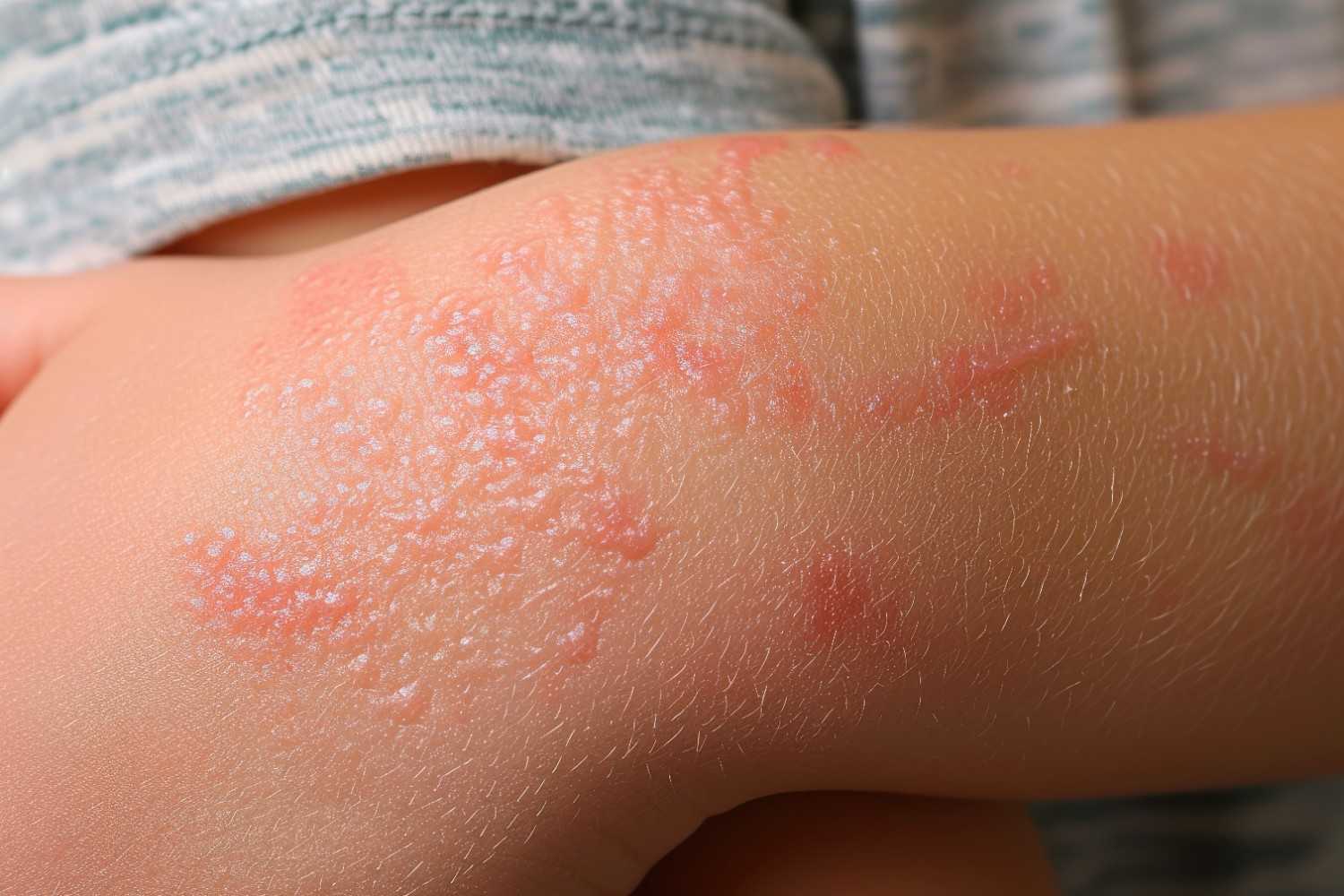
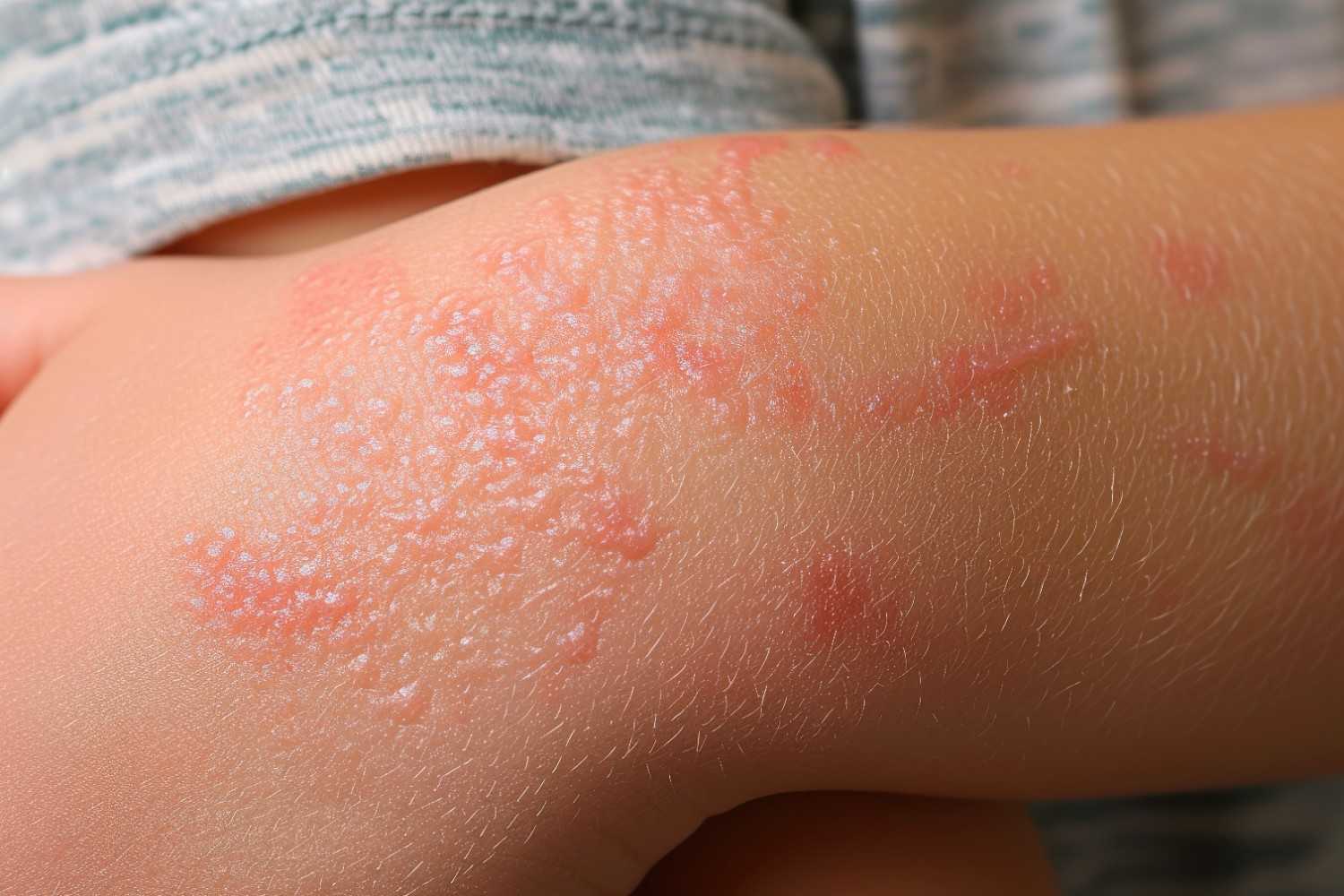
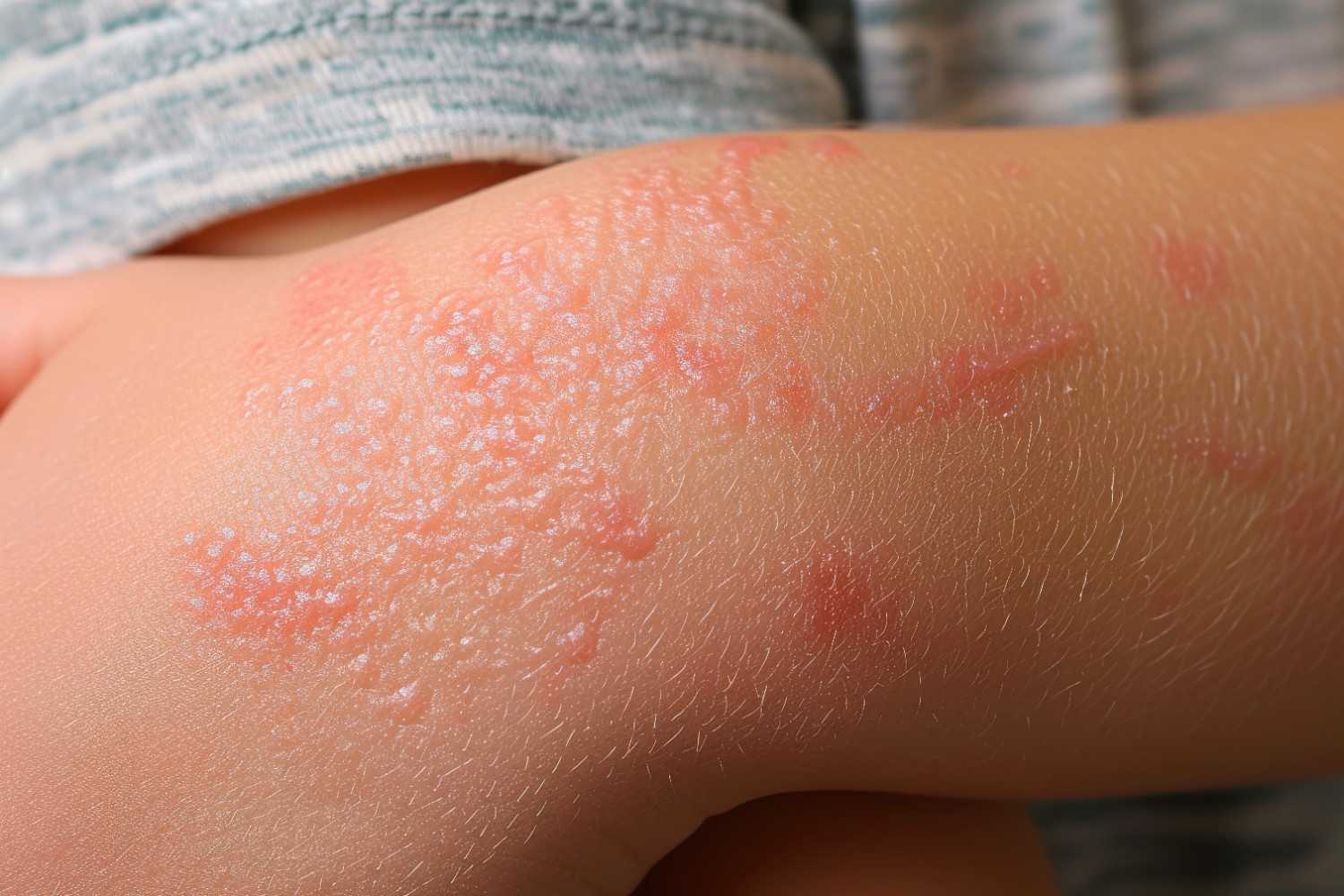
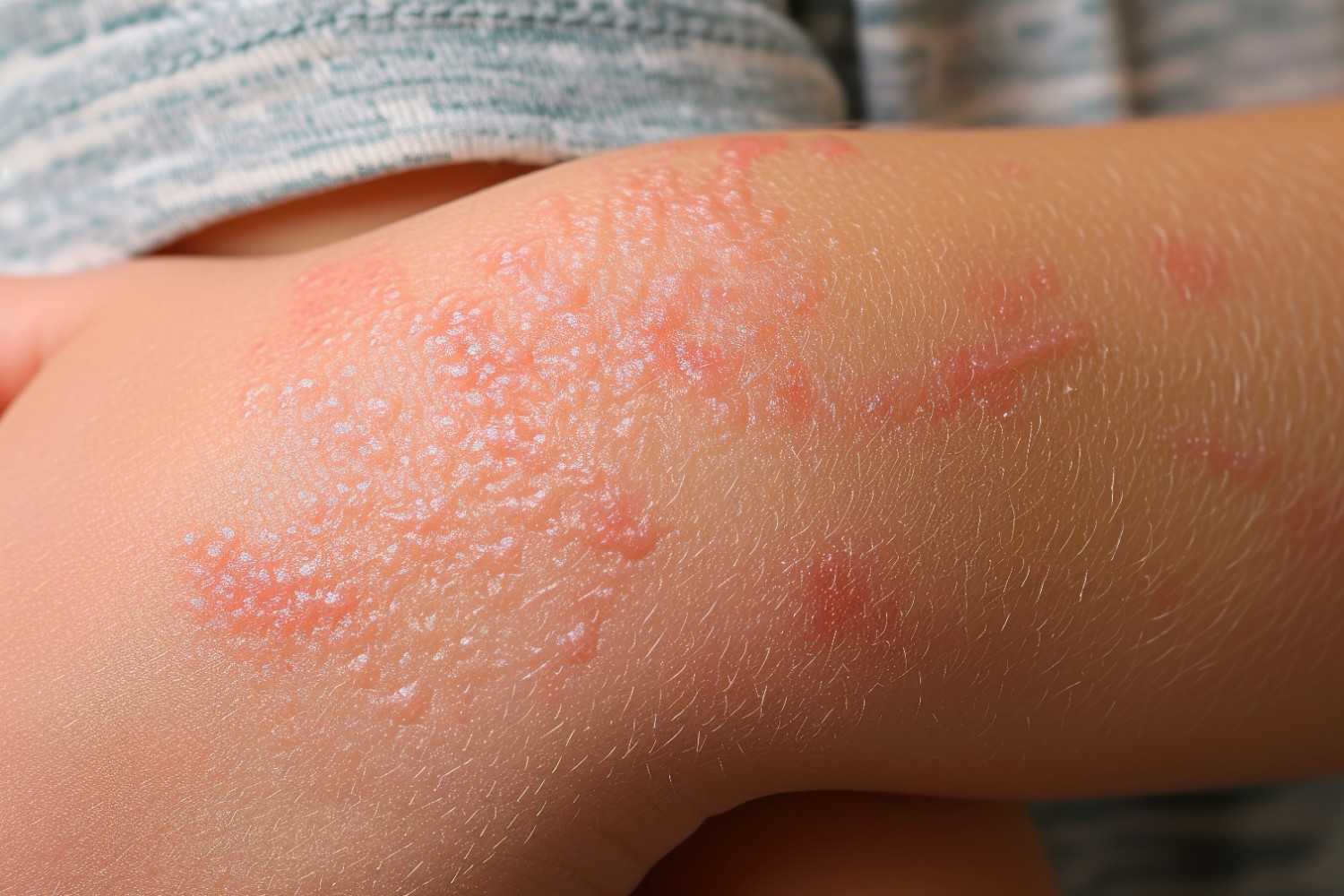
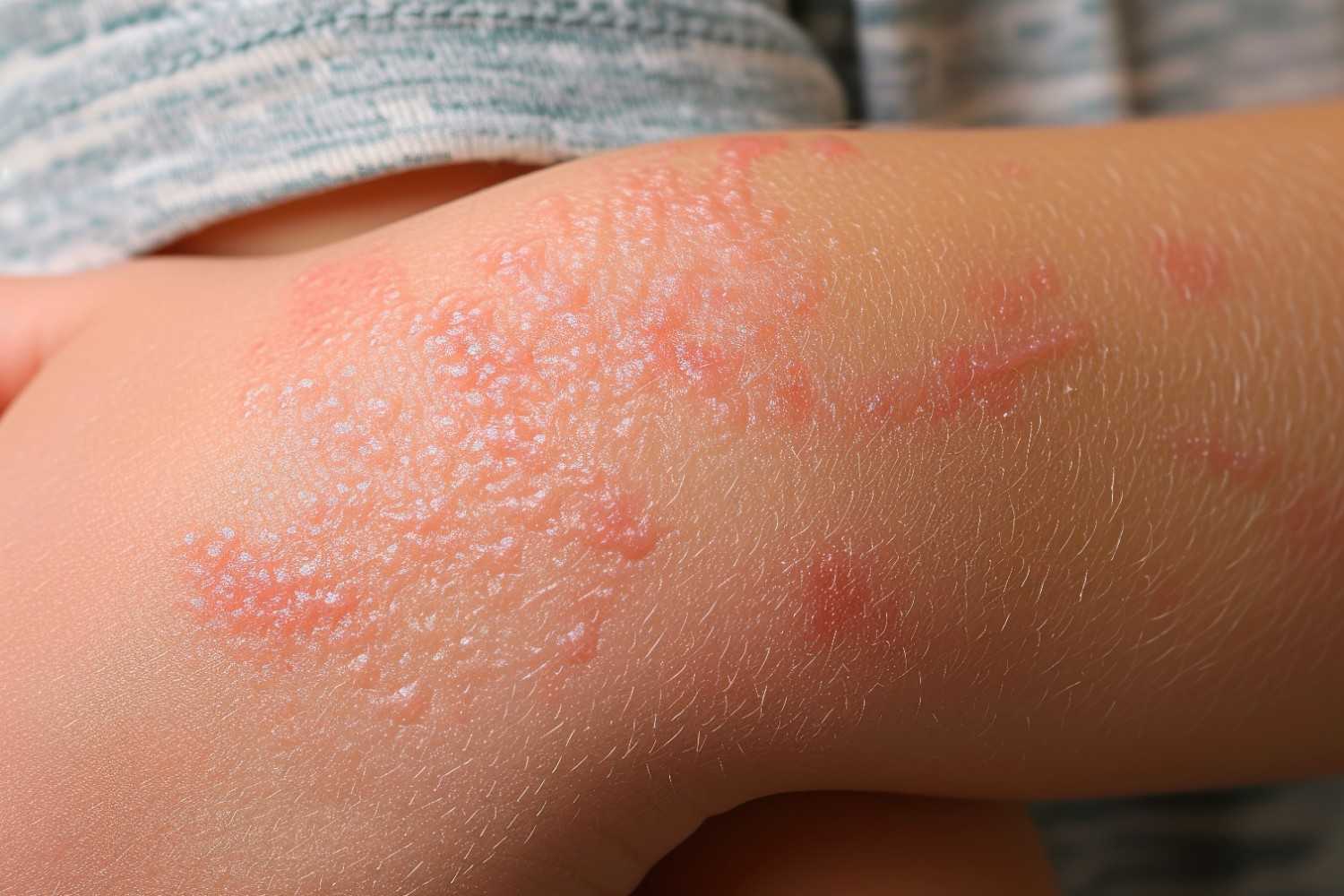
Podcast – Nappy Rash is a concise Continuing Professional Development (CPD) learning activity designed for healthcare professionals involved in infant care, paediatrics, community nursing, pharmacy practice, and primary healthcare. This 30-minute CPD podcast explores the causes, clinical presentation, prevention, differential diagnosis, and management of nappy rash in infants and young children. The course provides evidence-based guidance to support effective assessment, parent education, and treatment planning in clinical practice. Nappy rash, also known as diaper dermatitis, is one of the most common inflammatory skin conditions affecting infants. Although usually mild and manageable, persistent or severe cases may cause discomfort, sleep disturbance, feeding difficulties, parental anxiety, and secondary infection. Healthcare professionals should therefore recognise early symptoms and identify contributing factors that increase risk.
Learning Outcomes
What you'll learn
- Identify the factors that predispose infants to nappy rash.
- Explain the pathophysiology and clinical presentation of diaper dermatitis.
- Recognise differential diagnoses that may mimic nappy rash and distinguish key clinical features.
- Outline evidence-based treatments recommended for nappy rash management.
- Educate parents and caregivers on effective skin care and hygiene practices.
- Identify signs of secondary infection and indications for medical referral.
- Apply preventive strategies to reduce recurrence of nappy rash.
- Promote evidence-based infant skin care practices within clinical and community settings.


Learning Outcomes
What you'll learn
- Identify the factors that predispose infants to nappy rash.
- Explain the pathophysiology and clinical presentation of diaper dermatitis.
- Recognise differential diagnoses that may mimic nappy rash and distinguish key clinical features.
- Outline evidence-based treatments recommended for nappy rash management.
- Educate parents and caregivers on effective skin care and hygiene practices.
- Identify signs of secondary infection and indications for medical referral.
- Apply preventive strategies to reduce recurrence of nappy rash.
- Promote evidence-based infant skin care practices within clinical and community settings.
Modules
Module 1
Understanding Nappy Rash and Infant Skin
Module 2
Predisposing Factors and Risk Assessment
Module 3
Differential Diagnosis of Nappy Rash
Module 4
Recommended Treatments for Nappy Rash
Module 5
Prevention of Recurrence and Parent Education
Module 6
Clinical Practice, Communication, and Referral
Module 7
Summary



Top reviews
No reviews yet.
You May Also Like





.jpg)
Learn Anytime
Anywhere
Experience the next level of learning with the Care Learning app. Available on Android and iOS.


Come and Work
with Us!
Join us as a healthcare trainer providing practical sessions to professionals and workers.
Apply for Trainer RoleIn-Person Practical
Healthcare Training
Enroll in our accredited, hands-on practical training sessions to deliver better patientcentred care.
Apply for TrainingRefer &
Earn Rewards.
Invite healthcare professionals to join Care Learning and earn rewards for every successful referral.
Frequently Asked Questions
The main cause is prolonged exposure to moisture, urine, and faeces, which irritate and damage the infant’s skin barrier.
Candidal rash often appears bright red with satellite lesions and commonly involves skin folds.
Frequent nappy changes, barrier creams, gentle cleansing, and antifungal creams when indicated are commonly recommended treatments.
Regular nappy changes, gentle skin care, barrier creams, absorbent nappies, and avoiding irritating products help prevent recurrence.
Medical assessment is recommended if the rash is severe, blistering, ulcerated, associated with fever, or does not improve with standard treatment.
Fragrance-free and alcohol-free wipes are generally safe, but some infants may have sensitive skin that reacts better to plain water and cotton wool.