






FA
5Faida
User from
factual information
Posted on 27/05/2026
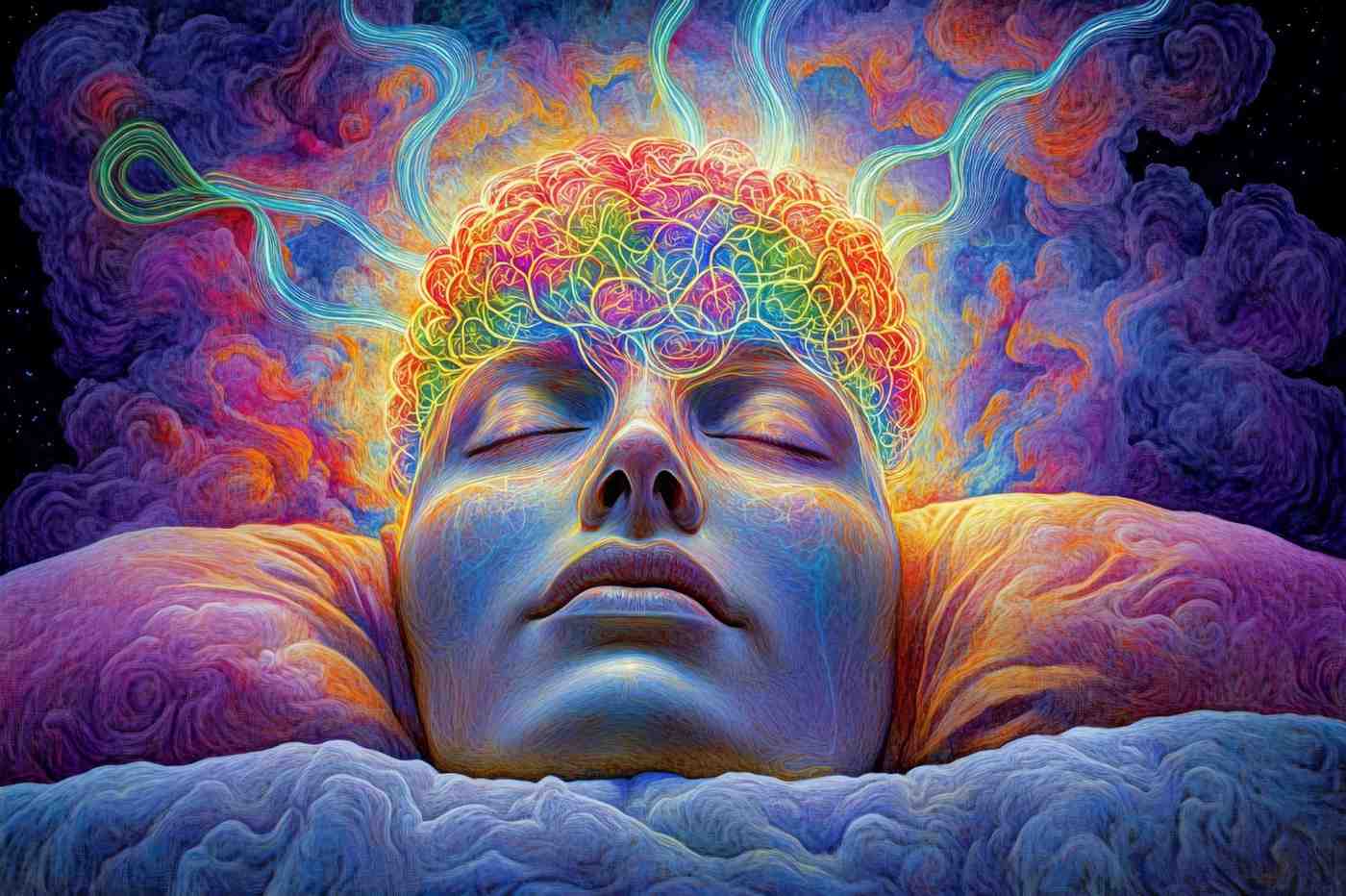
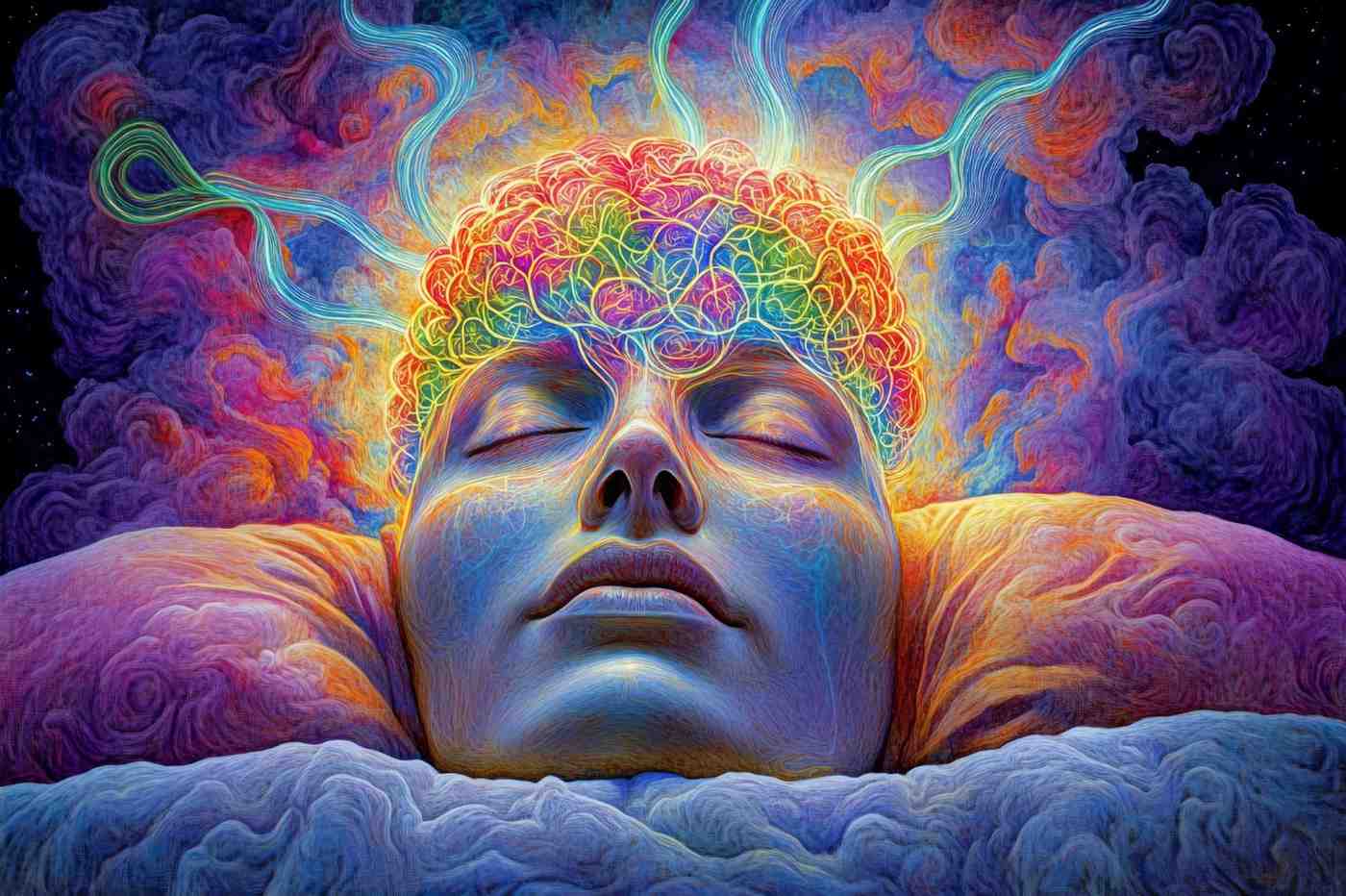
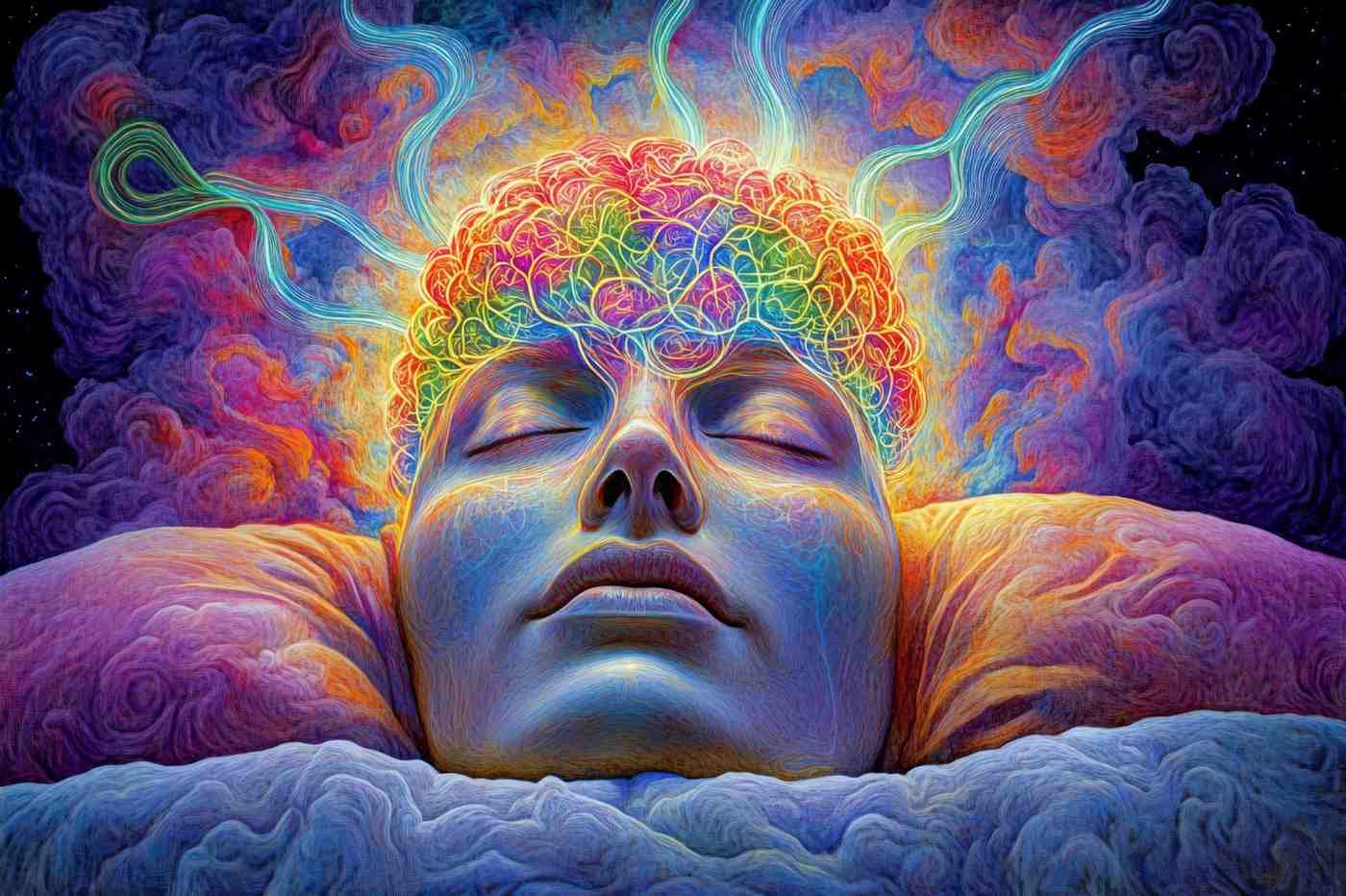
Psychedelic Psychotherapy is an emerging area of mental health treatment that combines structured psychotherapy with carefully supervised use of psychedelic-assisted medicines. This Continuing Professional Development (CPD) course provides healthcare professionals with an evidence-based overview of psychedelic-assisted psychotherapy, including therapeutic models, treatment phases, safety considerations, current research, and clinical applications in mental health care. The course explores how psychedelic-assisted therapies are being investigated and implemented internationally for conditions such as treatment-resistant depression, post-traumatic stress disorder (PTSD), anxiety, and psychological distress. Participants will gain an understanding of how therapies involving medicinal psilocybin and MDMA are conducted within controlled clinical settings alongside intensive psychotherapeutic support.

Module 1
Introduction to Psychedelic Psychotherapy
Module 2
The Three Phases of Psychedelic-Assisted Therapy
Module 3
The Importance of Non-Psychedelic Therapeutic Elements
Module 4
Psilocybin-Assisted Psychotherapy for Depression
Module 5
MDMA-Assisted Psychotherapy for PTSD
Module 6
International Research, Clinical Trials, and Future Directions
Module 7
Summary
User from
factual information
Posted on 27/05/2026
Experience the next level of learning with the Care Learning app. Available on Android and iOS.


Join us as a healthcare trainer providing practical sessions to professionals and workers.
Apply for Trainer RoleEnroll in our accredited, hands-on practical training sessions to deliver better patientcentred care.
Apply for TrainingInvite healthcare professionals to join Care Learning and earn rewards for every successful referral.
Psychedelic psychotherapy combines psychotherapy with supervised use of psychedelic-assisted medicines in clinical settings.
The three phases are preparation, the psychedelic experience, and integration.
It is currently being researched for conditions such as treatment-resistant depression and psychological distress.
MDMA may reduce fear and defensiveness, helping patients process trauma more effectively during therapy.
Integration sessions help patients understand and apply insights gained during treatment into daily life.
No. Structured psychotherapy is considered essential for treatment safety and effectiveness.





.jpg)