

The Diabetic Foot
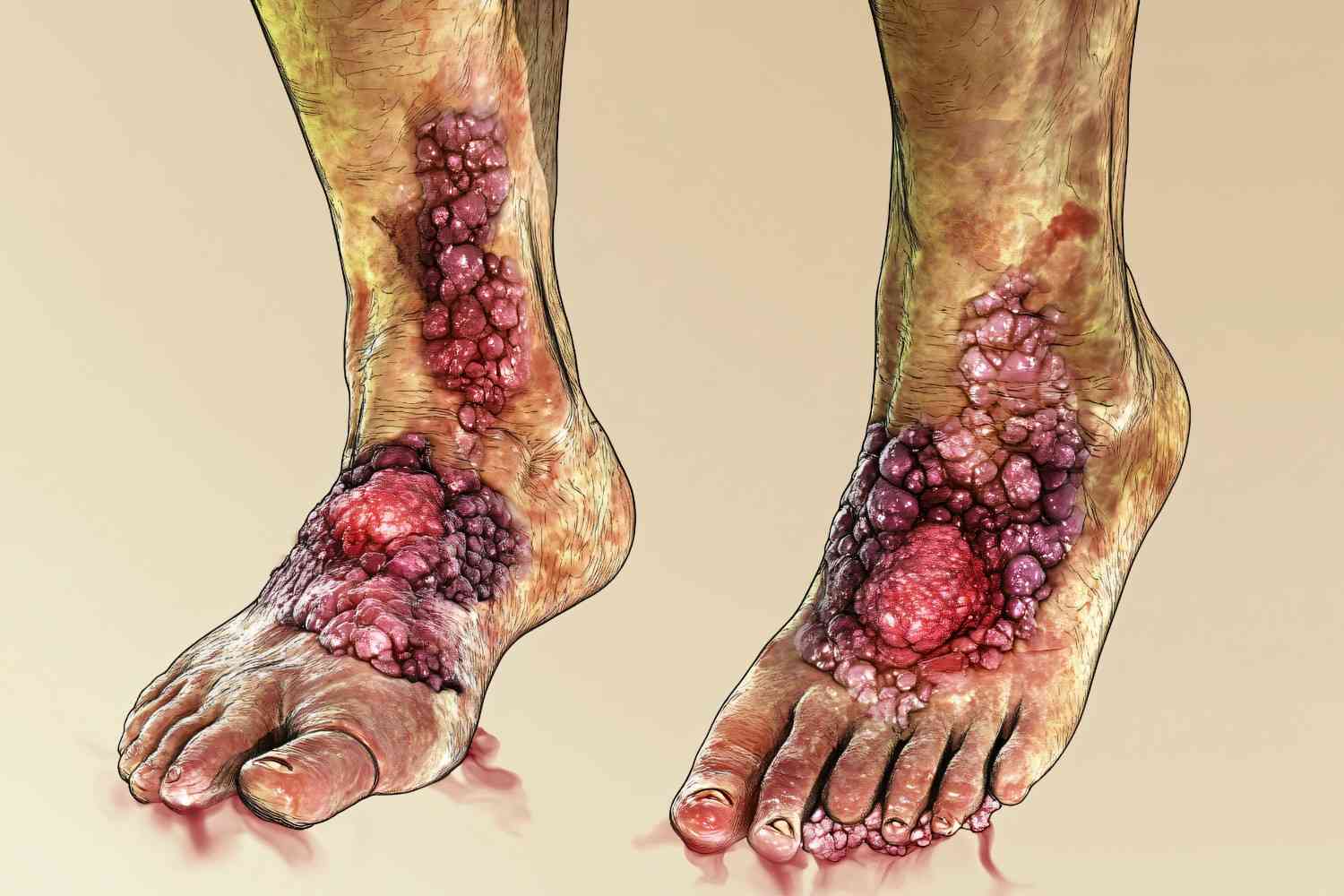
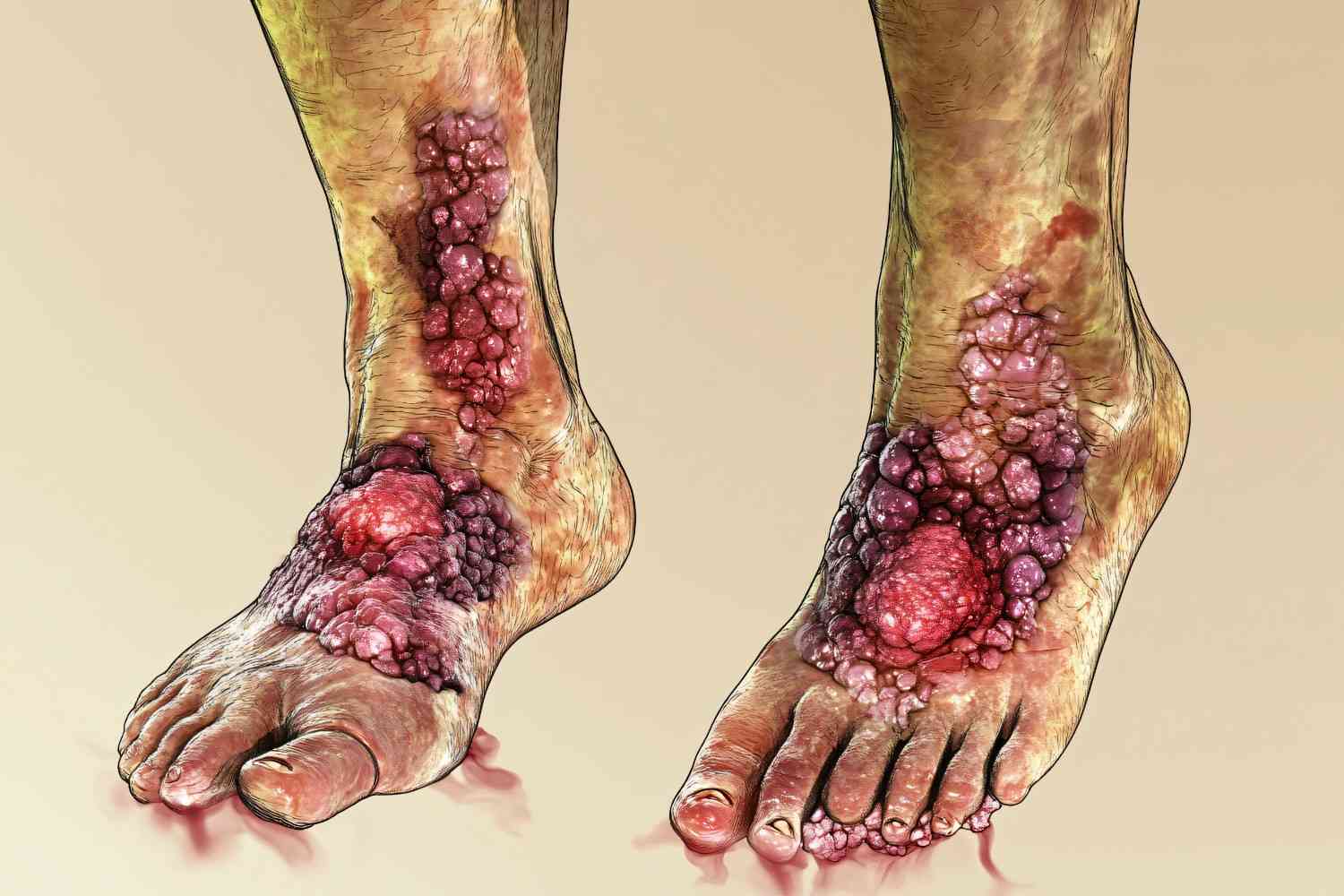
The Diabetic Foot is a Continuing Professional Development (CPD) course designed to provide healthcare professionals with comprehensive knowledge about the prevention, assessment, management, and treatment of diabetic foot complications. The course focuses on understanding the pathophysiology of diabetic foot disease, identifying early warning signs, and implementing evidence-based strategies to reduce complications such as ulcers, infections, and amputations. Diabetic foot is a major complication of Diabetes Mellitus and can significantly affect mobility, independence, quality of life, and overall health outcomes. Poor circulation, neuropathy, foot deformities, and delayed wound healing increase the risk of serious infections and lower limb complications.

Learning Outcomes
What you'll learn
- Understand the definition of diabetic foot and associated conditions.
- Recognise risk factors and complications linked to diabetic foot disease.
- Identify early signs of neuropathy, vascular disease, and pre-ulcerative foot conditions.
- Outline effective diabetic foot prevention strategies.
- Conduct diabetic foot assessments and risk screening.
- Understand evidence-based wound and ulcer management approaches.
- Recognise the importance of multidisciplinary care and specialist referral.
- Understand infection prevention and management principles.
- Educate patients on self-care, footwear, and foot monitoring.
- Promote early intervention to reduce complications and amputations.


Learning Outcomes
What you'll learn
- Understand the definition of diabetic foot and associated conditions.
- Recognise risk factors and complications linked to diabetic foot disease.
- Identify early signs of neuropathy, vascular disease, and pre-ulcerative foot conditions.
- Outline effective diabetic foot prevention strategies.
- Conduct diabetic foot assessments and risk screening.
- Understand evidence-based wound and ulcer management approaches.
- Recognise the importance of multidisciplinary care and specialist referral.
- Understand infection prevention and management principles.
- Educate patients on self-care, footwear, and foot monitoring.
- Promote early intervention to reduce complications and amputations.
Modules
Module 1
Understanding the Diabetic Foot
Module 2
Risk Factors and Prevention Strategies
Module 3
Assessment and Early Identification
Module 4
Wound Care, Ulcers, and Infection Management
Module 5
Multidisciplinary Care and Referral Pathways
Module 6
Patient Education and Long-Term Management
Module 7
Summary





Top reviews
No reviews yet.
You May Also Like






.jpg)
Learn Anytime
Anywhere
Experience the next level of learning with the Care Learning app. Available on Android and iOS.


Come and Work
with Us!
Join us as a healthcare trainer providing practical sessions to professionals and workers.
Apply for Trainer RoleIn-Person Practical
Healthcare Training
Enroll in our accredited, hands-on practical training sessions to deliver better patientcentred care.
Apply for TrainingRefer &
Earn Rewards.
Invite healthcare professionals to join Care Learning and earn rewards for every successful referral.
Frequently Asked Questions
Diabetic foot disease refers to foot complications associated with diabetes, including ulcers, infections, neuropathy, and poor circulation.
High blood glucose levels may damage nerves and blood vessels, reducing sensation and impairing healing.
Common signs include numbness, redness, swelling, calluses, pressure areas, and foot deformities.
Regular foot assessments help identify high-risk patients and prevent serious complications.
Referral may be required for severe ulcers, infections, vascular compromise, or non-healing wounds.
Daily foot care, proper footwear, blood glucose management, and early reporting of problems are important preventive measures.