Why Does Equality and Diversity Matter in Health and Social Care?
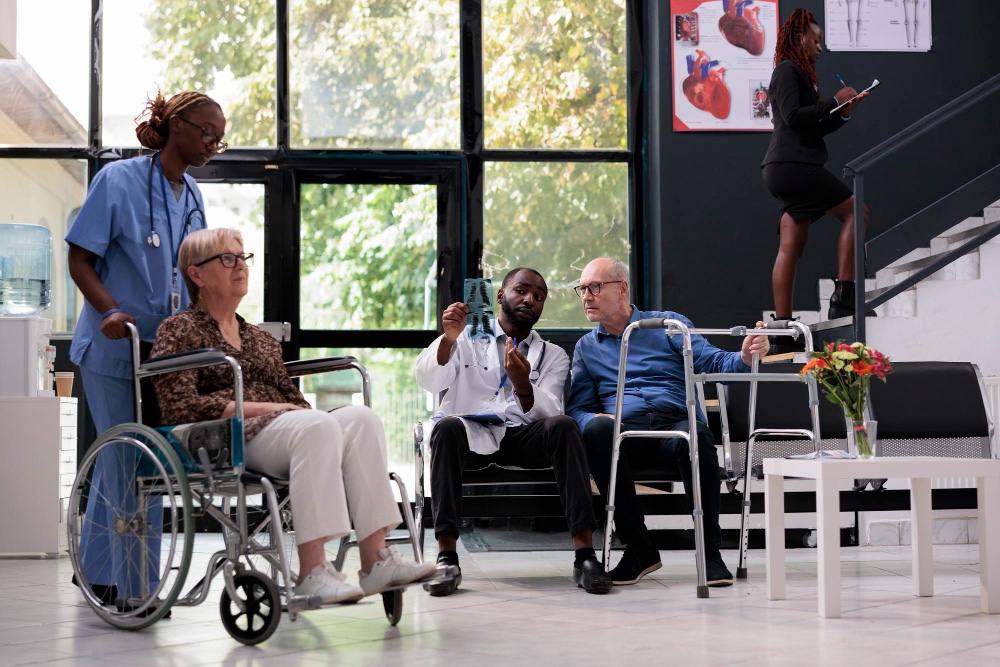
Have you ever considered how a person’s background, circumstances and individual needs can influence their experience of healthcare? Equality and diversity in health and social care are fundamental to providing fair, respectful and person-centred services. These principles help healthcare professionals recognise individual differences, reduce barriers to care and create environments where patients, service users and staff are treated with dignity. Understanding these concepts can also help care professionals deliver safer and more inclusive support.
What Is Equality and Diversity?
- A clear understanding of what is equality and diversity can help healthcare professionals apply these principles effectively in everyday practice.
- Equality is about ensuring people have fair access to services, opportunities and support.
- Fairness does not always mean treating everyone in exactly the same way.
- Some people may need additional support or reasonable adjustments because of their individual circumstances.
- Diversity refers to the differences that exist between people. These differences can relate to age, disability, sex, race, ethnicity, culture, religion, sexual orientation, socioeconomic background, communication needs and personal experiences.
- Health and social care workers help people from all kinds of different backgrounds. Recognising these differences allows professionals to provide support that reflects individual needs rather than relying on assumptions.
Why Is Equality Important in Health and Social Care?
Everyone should be able to access healthcare services fairly, regardless of their background, personal characteristics, or individual circumstances. However, some people may face different challenges that make it difficult to access appropriate services or clearly communicate their needs.
These barriers may include issues related to physical accessibility, language difficulties, limited health literacy, financial constraints, or a lack of appropriate communication support.
Healthcare organisations have an important role in identifying and reducing these barriers. Providing accessible information, appropriate adjustments and respectful communication can help people participate more effectively in their care.
Fair treatment is also important when making decisions about services, treatment and support. Professional decisions should be based on relevant clinical or care needs rather than stereotypes or assumptions.
The Importance of Equality and Diversity in Care
Equality and diversity in care help professionals recognise that every person has individual preferences, experiences and support requirements.
For example, a person’s cultural or religious background may influence dietary preferences, communication preferences or how they wish to involve family members in their care. Professionals should explore these preferences respectfully rather than assuming that everyone from a particular background will have the same needs.
Person-centred care means seeing the individual rather than defining them by a characteristic or condition. This approach can help people feel heard, respected and involved.
Creating Inclusive Care Services
Equality and diversity inclusion involves creating environments where people can participate, express their views and access appropriate support.
For service users, inclusion can involve providing information in an accessible format, using interpreters where appropriate or making reasonable adjustments to enable participation.
Inclusion also applies to healthcare workers. Staff should have opportunities to contribute ideas, raise concerns and participate in professional development without unfair barriers.
A diverse workforce can bring different perspectives and experiences to healthcare teams. These perspectives can contribute to a better understanding of the communities that services support.
Equality and Diversity in Nursing
Nurses work closely with patients throughout assessment, treatment, recovery and ongoing care. Equality and diversity in nursing therefore influence many aspects of everyday professional practice.
Nurses should communicate respectfully and avoid making assumptions about patients based on their appearance, background or personal circumstances.
For example, a patient may require additional communication support because English is not their first language. Another individual may need adjustments because of a disability. Recognising these needs can help nurses communicate more effectively and support informed participation in care.
Nurses can also promote dignity by respecting privacy, personal choices and individual preferences wherever clinically and professionally appropriate.
Recognising and Challenging Bias
People can develop assumptions about others without consciously intending to discriminate. In healthcare, awareness of potential bias is important because assumptions can influence communication, behaviour and decision-making.
Professionals can reduce the impact of bias by reflecting on their own attitudes and focusing on relevant information about each individual.
This does not mean treating every patient identically. Clinical and care decisions should reflect individual needs, professional judgement and appropriate evidence.
Healthcare workers need to know how to handle situations where they face rude or unfair treatment at work. Using established organisational policies and reporting channels can help ensure that concerns are handled fairly and appropriately.
Supporting Dignity and Person-Centred Care
Respect is central to high-quality health and social care. People should be treated as individuals and supported to maintain dignity, privacy and autonomy.
Professionals can promote dignity through simple everyday actions. These include listening carefully, explaining procedures, asking for consent, respecting personal space and involving people in decisions about their care.
A person’s preferences may change over time. Regular communication can help professionals understand changing needs and adapt support accordingly.
Why Training Matters
Education can help healthcare professionals understand their responsibilities and recognise how equality and diversity apply to practical situations. An equality and diversity course can cover subjects such as discrimination, inclusion, communication, protected characteristics and person-centred practice.
Training becomes particularly valuable when it includes realistic workplace examples. Case studies can help learners consider how they might respond to communication barriers, inappropriate behaviour or different individual requirements.
Some experts might look for a free equality and diversity course when they want to find learning options that are easy to access. Free educational resources can be useful for developing awareness, although learners should check whether a particular course meets their employer’s or professional body’s requirements.
Benefits for Patients and Service Users
Inclusive approaches can create a more positive experience for people accessing health and social care services. When people feel important, heard, and treated with respect, they tend to feel more at ease when talking about their worries and are more willing to participate in making decisions about their care.
Accessible communication can also help people understand their treatment and support plans. This is particularly important when decisions involve complex information.
Recognising individual preferences can contribute to more personalised support. This may include considering cultural requirements, communication preferences, dietary needs or personal routines.
Equality and diversity therefore form part of a broader approach to quality care rather than being separate from everyday professional responsibilities.
Benefits for Healthcare Workers
These principles are equally relevant to staff working within healthcare organisations. A respectful workplace can help employees feel valued and supported.
Managers can contribute by establishing clear expectations around professional behaviour, addressing concerns appropriately and providing equitable access to training and development.
Inclusive teams can also encourage open communication. When staff feel able to contribute different perspectives, organisations may gain valuable insights into workplace challenges and the needs of diverse communities.
However, diversity alone does not automatically create inclusion. Organisations need policies, leadership and everyday practices that support respectful participation.
Putting Equality and Diversity Into Practice
Healthcare professionals can apply these principles in their daily tasks by taking real-world steps:
- Determine the relationship between educational management and didactic strategies in initial preventive institutions.
- Don't speculate about someone's past or current situation.
- Use respectful and inclusive language.
- Provide appropriate communication support.
- Consider reasonable adjustments where required.
- Protect privacy, dignity and confidentiality.
- Involve people in decisions about their care.
- Respect cultural, religious and personal preferences.
- Recognise and challenge inappropriate behaviour through appropriate procedures.
- Reflect on personal assumptions and continue professional learning.
These actions can help make equality and diversity part of normal professional practice rather than treating them as an occasional training topic.
Building a More Inclusive Future
Health and social care continues to serve increasingly diverse communities. Professionals therefore need to understand how individual circumstances can affect people’s experiences of services.
Ongoing education, reflective practice and effective organisational policies can help healthcare teams respond to these changing needs.
The goal is not simply to recognise differences. It is to ensure that those differences are considered appropriately when delivering services, communicating with people and creating supportive workplaces.
Conclusion
Equality and diversity are important parts of providing care that is respectful and focuses on the individual needs of each person. They help professionals understand each person's unique needs, lower unnecessary obstacles, and assist people in a respectful and dignified way.
Learning more about this subject can help you talk better, understand your job better, and help create services that work for everyone. Whether you are starting a career in healthcare or refreshing your existing knowledge, understanding how these principles can support better interactions with patients, service users, and colleagues is essential. Care Learning is a platform where you can get free CPD courses and access useful information on multiple health and social care topics. Its learning resources can help healthcare professionals and care workers expand their knowledge, develop relevant skills and continue their professional learning.
To develop your knowledge and strengthen your professional skills, apply or register today.
FAQs
1. Why are equality and diversity important in health and social care?
They help ensure that people are treated fairly, respected as individuals and supported according to their needs. They can also help reduce barriers that affect access, communication and participation.
2. What is the difference between equality and diversity?
Equality is about providing people with fair access to services, opportunities and support. Diversity recognises and values the differences in people's backgrounds, experiences, perspectives and individual characteristics.
3. How can healthcare workers make sure everyone is treated fairly and with respect?
Healthcare workers can help ensure fair treatment by learning about each person's unique needs, not making guesses about their situation, talking to them in a respectful way, making necessary changes to care plans, and including them in deciding how their care should be provided.
4. Why is equality and diversity training important?
Training helps healthcare professionals understand individual differences, recognise potential barriers, and develop the knowledge and skills needed to provide respectful, inclusive, and person-centered care.
5. Does equality and diversity apply to healthcare workers?
Yes. These principles apply to both service users and employees by supporting fair treatment, respectful workplaces, equal access to opportunities, and an inclusive working environment.